
Services
Crowns
We cover damaged or weakened teeth with crowns, and sedation options are available if visits make you nervous.

Why choose us
Benefits of Crowns
Protect Weakened Teeth
A crown covers a cracked, worn, or heavily filled tooth to help keep it strong for everyday chewing.
Natural-Looking Results
We shape and shade each crown to blend in with your surrounding teeth.
Comfort-Focused Care
We offer local anesthesia, nitrous oxide, and IV sedation for patients who feel anxious about dental work.
Care for Related Needs
Our team also provides root canal therapy, bridges, and dental implants, so related treatment can often happen in the same office.
Flexible Payment Options
We accept many major insurance plans and self-pay patients, and we offer financing through Sunbit and CareCredit.
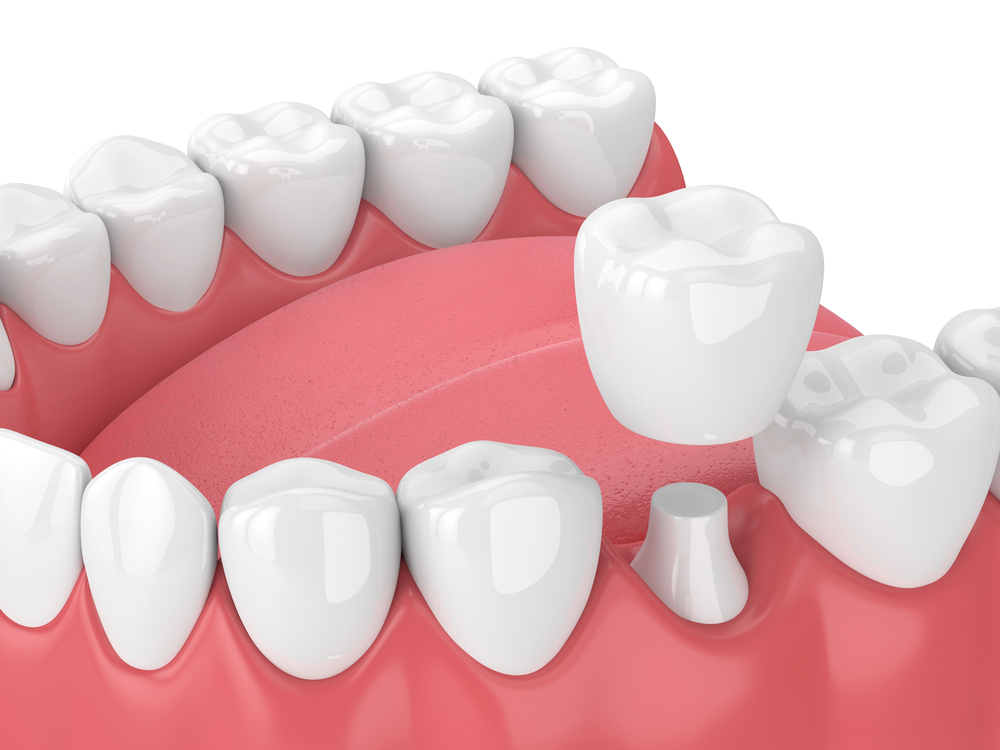
If a tooth has cracked, worn down, or been weakened by a large filling or root canal, you may be wondering whether it can be saved. In many cases, a dental crown is the answer. A crown is a custom-made cap that fits over the entire visible portion of a damaged tooth, restoring its shape, strength, and function so you can chew, speak, and smile with confidence again. At Anytime Dental – San Tan Valley, our general dentists use crowns every day to help patients of all ages protect teeth that are still worth keeping.
A dental crown covers a tooth from the gumline up. Unlike a filling, which replaces only a small area of missing structure, a crown surrounds the whole tooth and holds it together. This makes crowns especially useful when so much of a tooth has been lost or compromised that a filling alone would not be stable. The crown takes over the job of the outer surface, so the tooth underneath is shielded from the pressure of everyday biting.
Crowns are one of the most versatile tools in restorative dentistry. We may recommend one to rebuild a tooth broken in an accident, to protect a back tooth after root canal therapy, or to strengthen a tooth with a large, aging filling. Crowns also play a role in tooth replacement. A crown can sit on top of a dental implant to replace a single missing tooth, and crowns on neighboring teeth anchor a bridge. Because we offer implants, bridges, and root canal therapy in our office, we can plan your crown as part of a complete treatment approach.
Patients come to us for crowns for many different reasons, and understanding your situation helps us choose the right plan. Some of the most common include:
- A tooth that is cracked, chipped, or fractured
- A tooth weakened by extensive decay or a very large filling
- A molar or premolar that has had root canal therapy
- A worn tooth that has lost height from grinding or age
- A dental implant that needs a visible, functional top
- Neighboring teeth that will support a dental bridge
Sometimes a crown is part of an urgent visit. If you break a tooth or feel sudden pain, we offer emergency dental appointments, and we can stabilize the tooth and talk through whether a crown is the best long-term solution. Other times, a crown is a planned step identified during a routine dental exam, giving you time to schedule treatment before a small problem grows.
Am I a good candidate for a crown?
Most people with a damaged but salvageable tooth are good candidates for a crown. The key is having enough healthy root and supporting structure for the crown to rest on. During your exam, our team evaluates the tooth, the surrounding gums, and your bite to make sure a crown will work well for you.
If the tooth has an infection inside, we may recommend root canal therapy before placing the crown. If a tooth cannot be saved, we can discuss extraction and options such as an implant or bridge instead. Patients who feel nervous about dental work can ask about our comfort options. We offer local anesthesia, nitrous oxide, and IV sedation for patients with dental anxiety, so you can feel more at ease throughout your visit.
How do I care for my crown, and what results can I expect?
You care for a crown much like a natural tooth, with daily brushing, flossing, and regular checkups. While the crown itself does not decay, the tooth underneath can still develop problems where the crown meets the gumline, so keeping that area clean matters.
Routine dental cleanings with our hygienist help us keep an eye on your crown and the tooth beneath it. If you grind your teeth or notice that your bite feels uneven, let us know so we can check the fit. With consistent home care and professional visits, a crown can help you get back to eating and smiling comfortably. Our goal, as with all of our care, is a healthy smile that lasts.
How can I pay for a dental crown?
We work with many major insurance plans, so your coverage may help with the cost of a crown. We accept Delta Dental, Cigna, MetLife, Blue Cross Blue Shield, Aetna, Humana, Guardian, United Concordia, United Health Care, Principal, GEHA, Beam Dental, and Mutual of Omaha. Our team can help you understand your benefits before treatment begins.
We also welcome self-pay patients. If you would like to spread out the cost, we offer financing through Sunbit and CareCredit, which can make it easier to move forward with the care you need without delay.
Whether you live in San Tan Valley, Florence, or Queen Creek, our team is here to help you protect your teeth for years to come. Dr. Adam Borgia, Dr. Jordan Karren, and Dr. Chris Spurgeon look forward to meeting you. Schedule your visit with us today and let us help you restore your smile.
The process
What to expect
- 1
Exam and Consultation
We examine your tooth, talk through your options, and explain whether a crown is the right fit for you.
- 2
Preparing and Placing
We gently prepare the tooth, then fit and secure your crown so it feels comfortable when you bite.
- 3
Aftercare and Checkups
We share tips for caring for your crown and check on it during your regular exams and cleanings.
Questions
Crowns FAQs
Will my insurance help cover a dental crown?
Many dental plans include some coverage for crowns, and we accept a wide range of insurance, including Delta Dental, Cigna, MetLife, Blue Cross Blue Shield, Aetna, Humana, Guardian, United Concordia, United Health Care, Principal, GEHA, Beam Dental, and Mutual of Omaha. Coverage varies from plan to plan, so our team is happy to review your benefits with you before treatment. We also welcome self-pay patients and offer financing through Sunbit and CareCredit.
Does getting a crown hurt?
Most patients feel little to no pain during a crown procedure because we numb the area with local anesthesia first. If dental visits make you anxious, we also offer nitrous oxide (laughing gas) and IV sedation to help you feel more relaxed. Some mild tenderness afterward is common and usually fades as your mouth adjusts.
How long does the crown process take?
Getting a crown typically involves preparing the tooth, taking impressions, and then placing the finished crown, which often takes more than one visit. The exact timeline depends on your tooth and your treatment plan. We will walk you through each step at your consultation so you know what to expect.
How long will my crown last?
With good care, a crown can last for many years, though how long it lasts varies from person to person. Brushing, flossing, and keeping up with regular exams and cleanings at our office all help protect your crown and the tooth underneath. Habits like grinding your teeth or chewing very hard objects can shorten its life.
Am I a good candidate for a crown, or are there other options?
A crown is often a good choice for a tooth that is cracked, weakened, heavily worn, or has had root canal therapy. Depending on your situation, our dentists may also discuss alternatives such as porcelain veneers, bridges, or dental implants if a tooth needs to be replaced. During your exam, we will look at your tooth and help you choose the option that fits your needs.